


Quatro Casino strategically positions itself as the final gaming destination for New Zealand’s competitive gamblers. It offers a revolutionary mix...
Whoa! I installed Phantom last year and felt an immediate jolt of both excitement and caution. My first impression was mostly: slick UI, like an app that knows its audience. But something felt off about a few permission prompts, and my instinct said “slow down.” Initially I thought it’d just be another extension, but then I dug in and realized how deep the integration runs with Solana dapps and NFTs—so yeah, it’s worth talking about in a real way, not just the hype.
Seriously? The onboarding is fast and clean. You get a seed phrase, a password gate, and a cute little fox icon in your browser bar. Creating accounts is straightforward, though I’m biased toward hardware-backed keys for bigger balances. On one hand the UX is delightful; on the other, the permission model can be confusing for newer folks who click accept and hope for the best.
Hmm… there are things that bug me. For example, some sites ask for “connect” and users think it’s harmless. But that connect request can expose your wallet address to trackers or malicious dapps if you aren’t careful. Actually, wait—let me rephrase that: connect itself is fine, but you should always check the URL and the app you’re interacting with before approving transactions or signing messages, because phishing clones are getting better every month.
Okay, so check this out—Phantom started as a simple wallet but became a full browser extension that handles token swaps, staking, NFT viewing, and interacting with Solana dapps. It’s like an all-in-one dashboard; very very convenient. My instinct told me to test small amounts first, so I did. And that saved me from a sketchy project that had a permission prompt requesting unlimited spending rights. Long thought: permissions are the real UX battleground here—developers want convenience, attackers want surface area, and users sit smack in the middle trying to make sense of cryptic prompts while juggling FOMO and gasless illusions.
Wow! The transaction flow is usually fast. Solana’s block times show. Sometimes it’s absurdly quick, which feels futuristic. But fast doesn’t mean safe—race conditions, front-ends that misreport details, and UX that hides fees are all possible. On the technical end, phantom signs transactions locally and only shares what’s necessary, though the browser environment itself can be noisy and sometimes leaky if you’re running lots of shady extensions together.
Really? Hardware wallets work with Phantom. I plug in my Ledger, and Phantom asks to connect the device. The integration isn’t flawless—there’s occasional hiccup with USB drivers or browser flags—but overall it reduces attack surface a lot. Initially I thought I’d skip hardware for convenience, but then I lost an account to a seed phrase compromise (rookie mistake), so now I treat hardware like seat belts—annoying until you need them. On balance, even with the extra steps, the added security is usually worth the friction.
Here’s the thing. Backups are boring but critical. Write your seed phrase down, in ink, and store it in physical places you trust—two locations if you can. I’m not 100% sure vaults are foolproof, but they beat sticky notes and screenshots every time. Also, avoid storing seeds on cloud drives or taking photos—this advice isn’t new, but people still do it, which is wild.
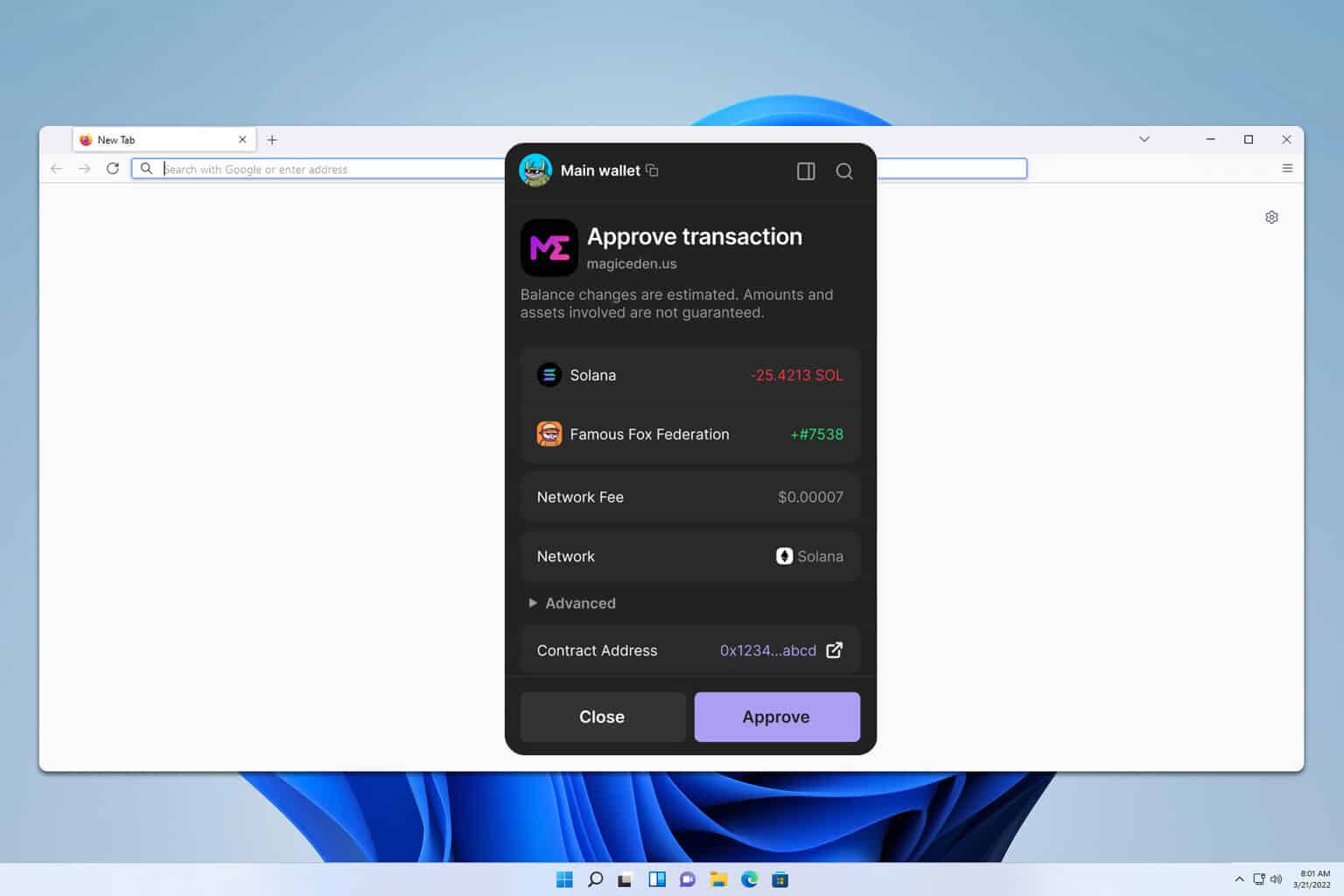
Whoa! I ran into a subtle UI issue once where a site requested a signature and the prompt didn’t make clear the consequences. Short sentence. I messed around and nearly signed a permit that would allow token transfers without another confirmation. On reflection I realized most people assume signing equals “okay” and not “allow unlimited access.” So, double-check the scopes and consider using one-time permits where possible, or manually revoke approvals later.
Seriously, revocation is a feature everybody forgets. Phantom has a permissions panel where you can view and disconnect dapps. It’s under the settings and not super hidden, but many users never open it. My instinct said “this part bugs me” because permissions are cumulative across sessions. If you connect to a marketplace or game and later regretted it, you should disconnect and, if needed, use chain explorers or token-approval tools to revoke allowances—though those steps sometimes require extra tech savvy.
Hmm… transaction details can look intimidating. Amounts, decimals, memos, computed fees—it’s a lot. But take a breath, read the instruction set in the confirmation modal, and don’t approve anything that feels rushed. Initially I thought “this will be fine” for a swap on a new AMM, but a price feed exploit made me lose some tokens when I didn’t check the slippage tolerances. On the one hand, dapps promise zero friction; on the other, that friction sometimes protects you from yourself, and the balance is messy.
Okay, I’ll be honest—NFT experiences in Phantom are fun. The in-wallet gallery renders collections quickly, and clicking an NFT to see metadata feels polished. If you’re in the US and like art shows, it’s sort of like walking through a tiny digital gallery on your laptop while sipping coffee. But here’s the kicker: metadata is sometimes hosted off-chain or via IPFS gateways, which can change or vanish, so the perceived ownership link might be fragile. Long thought: NFT ownership is really ownership of a pointer to data, so culturally we need to get better at communicating that nuance to collectors who equate token possession with permanent availability.
Whoa! Mobile vs. desktop is a real difference. Phantom’s extension is great in Chrome and Brave on desktop, though Safari has its quirks. The mobile app, when paired, feels more limited but useful for on-the-go checks. I used the app to accept airdrops and monitor positions, and it kept me sane during a volatile day on Solana. There’s trade-off: mobile is convenient, desktop is sticky for complex interactions like multi-step staking or advanced swap routes.
Really? I tested the swap aggregator inside Phantom and compared prices. Sometimes it routes through multiple pools to get better rates, which is neat. Fees on Solana are low, so slippage is often the bigger cost. Initially I assumed all swaps were equal, but then realized pathing matters—some routes temporarily lack liquidity and can slip you into worse prices, so watching the quoted minimum received and adjusting slippage is wise.
Here’s the thing about phishing. Clone extensions, fake websites, and social-engineering attacks are all part of the ecosystem now. My rule of thumb is: if the URL or extension store listing looks off, don’t install or connect. I’ll be blunt: people get lazy and copy-paste seed phrases into helpers or “support” chats that turn out to be scammers. Something felt off the day I saw a Discord post promising a “Phantom update” link—so I reported it and warned friends, but many had already clicked. The lesson: legitimacy checks and social skepticism save money and stress.
Whoa! Performance matters. With multiple wallets and lots of NFTs, the extension can slow down startup a bit. That’s normal; wallets index data to present balances and assets. I try to keep the number of active accounts manageable and occasionally prune old tokens I never use. It keeps the UI snappy and my brain less cluttered—also fewer things to accidently sign for when I’m tired.
Seriously, recovery workflows are boring but crucial. I practiced restoring a secondary wallet from seed in a clean browser profile to ensure my backup works. It took ten minutes and a handful of swear words, but it worked and gave me peace of mind. I’m biased, but rehearsing emergency restores is one of those adulting crypto moves that pay off when hardware dies or a browser profile corrupts.
Hmm… community support is a mix of helpful and noisy. Phantom’s docs and Discord have useful threads, though you must sift carefully. On one hand forums provide fast answers; on the other, advice quality varies and some threads push risky shortcuts. My approach now is to corroborate a fix across two trusted sources and then proceed cautiously.
Here’s something practical: keep small test accounts. Really. I send a small amount to a fresh address and run a dummy trade before moving larger funds. This isn’t glamorous, but it catches redirect bugs and lets you verify a dapp’s UX without risking your life savings. Also, use distinct passwords per browser profile—it’s mildly annoying, but reduces blast radius if a profile gets compromised.
Whoa! Privacy expectations need recalibration. Phantom shows balances and token holdings in-wallet, but anyone who sees your public address can also check on-chain history. If you’re trying to be low-key about holdings, on-chain privacy is limited; use separate addresses and avoid reusing addresses for public interactions when possible. Long thought: privacy tooling is improving but the UX to use it is still clunky compared to the polished wallets people expect, so adoption lags.
Really, there are features I want to see improved. Better in-wallet explanations for signature scopes. Easier revocation flows. More visible hardware prompts. I’m not 100% sure how they’d restructure the UX without adding friction, but there are ways to nudge users toward safer defaults without killing usability. My instinct says gradual opt-ins and inline education will hit the sweet spot.
Check this out—if you want to try Phantom yourself or need the extension, this page is a reasonable starting point: https://sites.google.com/cryptowalletextensionus.com/phantomwalletdownloadextension/. It helped me find an installer when I was setting up a fresh machine, though always verify extension stores and official channels if you can. Small tangent: that link isn’t a substitute for doing your own due diligence, but it saved me a bit of hunting on a hectic day.
Whoa! Quick checklist: write down seed, use hardware for big funds, test small, check connect URLs, and revoke approvals when done. Short, simple. I’m biased toward hardware and conservative defaults, but I know that’s not everyone’s vibe. Ultimately, Phantom is a powerful tool in the Solana ecosystem and how you use it determines whether it helps or hurts you. On balance, treat the wallet like a bank clerk with keys—you want it helpful, but you also don’t want it to be fooled by scammers.
Yes, it’s user-friendly, but safety depends on your habits; start with small amounts and learn to read permission prompts—practice first, then scale up.
Absolutely—Phantom supports Ledger devices; expect occasional driver or browser quirks, but it’s a strong security boost for larger holdings.
Disconnect from the dapp, revoke permissions where possible, move funds to a secure account if compromised, and report the malicious link—oh, and change passwords and check devices for malware.