


These types of casinos are notable for the form of games, generous bonuses, and you may complex customer service. Armed...
Whoa!
I installed Phantom a few years back on a whim, and it stuck with me—mostly because it felt fast and low-friction, which matters when you’re juggling NFTs, DeFi moves, and the occasional memecoin impulse buy. My instinct said this would be another flashy wallet that fades, but it didn’t. Initially I thought it was just the slick UI, but then I realized the dev experience and Solana’s speed were doing the heavy lifting under the hood. On one hand the UX is clean; though actually there are a few rough edges I’ll point out below.
Here’s the thing.
Phantom is a browser extension wallet built for Solana, and it aims to be simple for first-timers while still serving power users. Seriously? Yes—because it offloads complexity (key management, signing requests) into a tiny, familiar popup that most users learn in minutes. My first impression was: finally, a wallet that doesn’t make me feel like I need a crypto degree. But, of course, that easy gloss hides important trade-offs for safety and habit-building.
Okay, so check this out—
When you download and install the phantom wallet download extension, you get a small interface that hooks into sites like Magic Eden, Solanart, and many DeFi dapps. Hmm… I’ll be honest, the onboarding is delightfully quick. You create a seed phrase, optionally set a password, and then you’re live. Something felt off about how many people skip the seed phrase backup, though—don’t be one of them.
Really?
Yes. Wallet safety is very very important. If you lose that seed phrase, you lose access. It’s basic but critical. So make multiple backups—offline, in different physical locations, and not as a single screenshot on your phone (please don’t do that).
Whoa—small tangent.
Phantom’s extension design prioritizes speed: transaction confirmations are fast, fee estimates are usually low, and interactions with Solana dapps feel immediate. My gut reaction the first time I swapped a token was relief—no long Ethereum-style queue. But actually, speed introduces a risk: it’s easy to click through without reading requests. On one hand the UX encourages quick approvals; on the other, that same speed can train bad habits.
Here’s the thing.
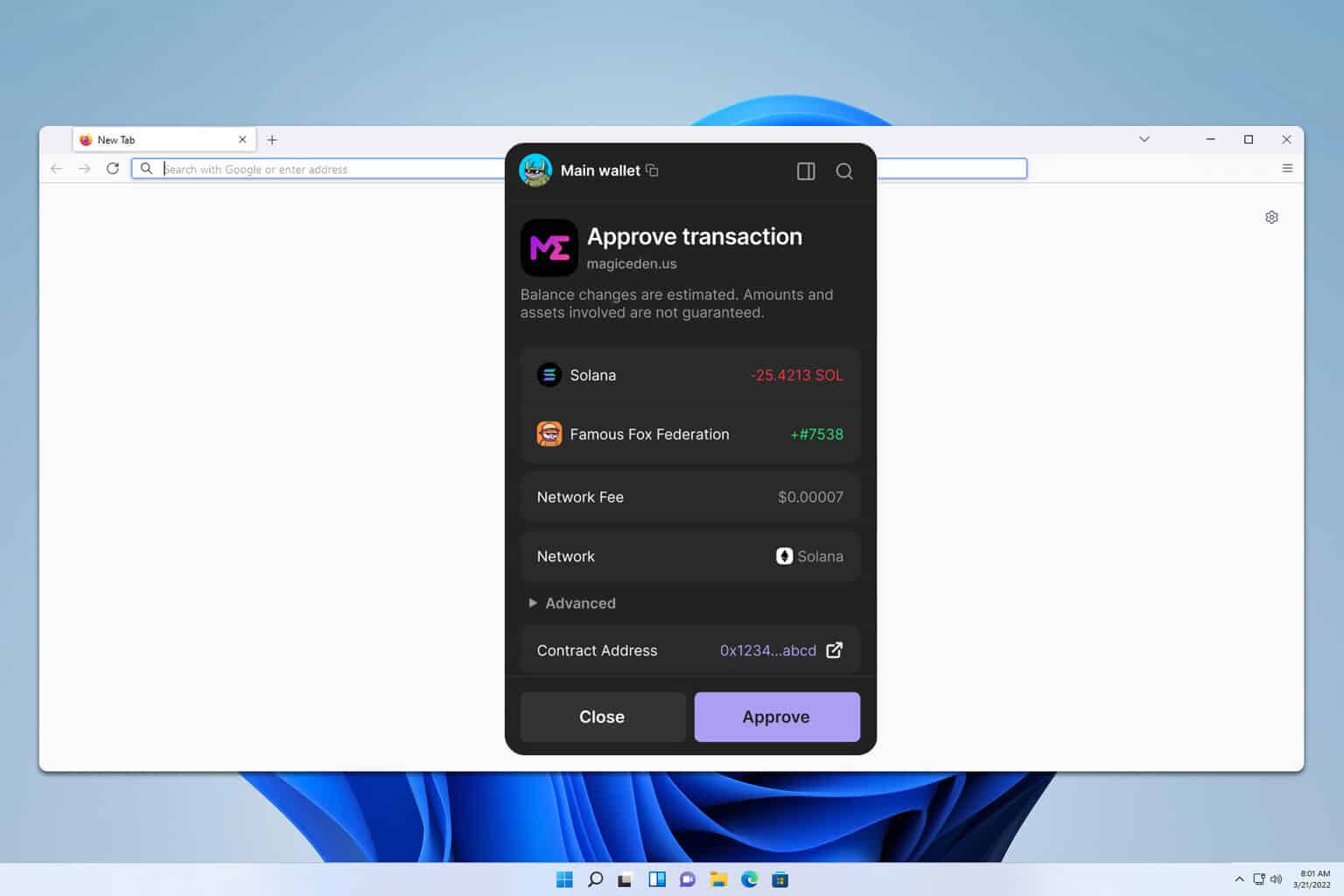
So how do you use the extension more safely? First, always read the transaction details—amounts, destination addresses, and any program instructions that look unfamiliar. Initially I thought the UI hid too much technical detail, but then I learned where to expand and inspect raw instructions when needed. If you’re semi-technical, toggle developer details sometimes; it teaches you what a normal Solana transfer looks like versus a program call. I’m biased, but training yourself to pause for two seconds before hitting “approve” will save you headaches.
Seriously?
Yes, and here’s a practical workflow I use: keep a small, separate browser profile or window for high-risk sites (auctions, unknown token mints), and another for casual browsing. It’s not perfect, but segmentation reduces accidental approvals. Also, revoke permissions periodically—Phantom exposes a permissions view where you can disconnect dapps you no longer use. Oh, and by the way, hardware wallet support exists (Ledger), so if you’re moving serious funds, use it.
Hmm…
One limitation that bugs me is how extensions inherently expose you to phishing—malicious sites that mimic legit dapps and ask to connect. My advice: double-check URLs, use bookmarks for places you trust, and don’t click random Discord links promising free airdrops (yep, that part bugs me). The extension can’t protect you from a hijacked site. On the flip side, Phantom has built-in heuristics to flag some suspicious program interactions, which is nice but not foolproof.
Okay, quick technical note.
Phantom manages keys locally using browser storage with encryption tied to your password; however, the seed phrase is the ultimate key. If you’re curious about how signing works: when a dapp requests a signature, Phantom pops a modal with the instructions and asks you to approve using the local key. Initially I thought this was straightforward, but then I dug into signed transactions and realized many dapps bundle multiple instructions—some benign, some surprising. So inspect the instruction list when things look complex.
Whoa, another aside.
The extension also supports token swapping via integrated aggregators and shows NFTs in a readable gallery. For collectors, that gallery is nice—simple, fast, and it displays metadata cleanly. I’m not an art critic, but seeing thumbnails load instantly is satisfying. Though actually, metadata inconsistencies across marketplaces can make items appear broken sometimes.
Here’s what I do for troubleshooting.
If a transaction fails or a token balance looks off, first refresh the connection and check Solana explorer (like Solscan) for the txid. Then clear the extension cache if the issue persists (Phantom has a reset option). Initially I thought resets were risky, but Phantom’s docs are clear about what resets do. Still, keep your seed phrase safe before poking around resets—just in case.
Hmm—policy and privacy stuff.
Phantom collects minimal telemetry by default, focusing on improving product stability; however, privacy-conscious users should read permission prompts and the privacy policy. On one hand, telemetry helps developers fix bugs; on the other, it’s data leaving your machine. I’m not 100% sure about every data point they collect, so I try to limit connections and keep high-value assets on hardware devices.
Write down your seed phrase on paper. Seriously. Store it in at least two secure places (safe, safety deposit box). Don’t store the phrase as an unencrypted file on your laptop. Use a hardware wallet for big holdings. Revoke dapp permissions you don’t recognize. Use the extension only on trusted sites—bookmarks help. If you want the extension, grab the official phantom wallet download extension link I mentioned earlier and verify it matches the publisher in your browser store. (yes, that repeat is intentional—double-checking matters.)
Mostly yes—it’s designed for daily use and balances convenience with guardrails. However, safety depends on your habits: backup seed phrases, avoid phishing sites, and use hardware wallets for large sums. My instinct said the UX would encourage reckless clicking, so adopt a habit of inspection and you’ll be fine.
Yes. Phantom supports Ledger devices for signing, which adds a strong layer of security since keys never leave the hardware. Initially I used Phantom without one, but after moving real value I switched and wished I had sooner. Honestly, it’s one of those small changes that reduces long-term stress.